
Cellular Energy and Reproduction
Silent SpringThis flow traces Carson’s account of how pesticides might disrupt cellular energy and threaten development and reproduction.
increasing Bearing strength in each event
 decreasing
Bearing strength in each eventdecreasingThe Cell as a Powerhouse

Energy Within Cells
A Universal Process
Carson describes cells as sites where fuel is converted into usable energy through an orderly series of reactions. Mitochondria contain many of the enzymes involved in this process.
Why It Matters
Muscle, nerve, and developing cells all depend on a supply of usable energy. A disruption in cellular oxidation could therefore affect many organs rather than one isolated function.
The Energy Cycle Is Interrupted
A Broken Coupling
Energy Without Power
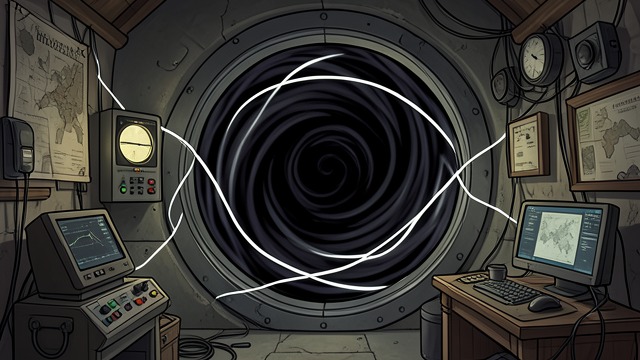
When oxidation becomes uncoupled from the production of usable energy, the cell may continue to consume fuel without gaining the power it needs. Carson likens the effect to an engine racing without useful output.
Pesticides as Possible Disruptors
She identifies several pesticides as capable of interfering with enzymes or energy production. The chapter presents these mechanisms as reasons to investigate biological effects before widespread use.
Embryonic Development at Risk

The Cost of Depleted Energy
Rapid Cell Division
An embryo must divide cells and form tissues and organs through a finely ordered process. Carson notes that these stages require substantial energy and depend on uninterrupted cellular functioning.
A Plausible Hazard
If chemicals interfere with energy production, development could be disrupted. The book urges concern about this possibility while emphasizing that biological mechanisms and real-world exposure require careful study.
Residues Reach Eggs

Poison Passed to Offspring
Contaminated Reproductive Material
Researchers found pesticide residues in eggs and reproductive tissues of birds exposed in experiments or in the wild. The chemical burden could therefore reach embryos before hatching.
A Generational Consequence
Carson connects this evidence to failures of hatching and early survival. Exposure does not end with the treated parent; it may cross into the next generation through the egg.
A Warning Beyond Birds
From Wildlife to Humans
Shared Biology
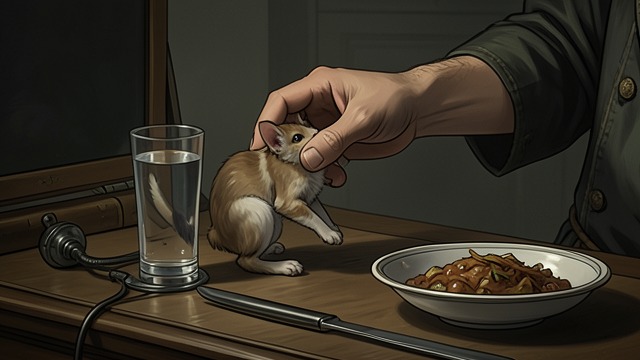
ATP and basic metabolic processes are common across living organisms. Carson argues that effects observed in animals should prompt investigation of possible risks to people, rather than being dismissed as irrelevant.
The Limits of Inference
The book raises concern about human exposure without claiming every proposed mechanism is proven in humans. Its larger point is that potential harm to reproduction and development deserves study before chemical exposure becomes universal.
As Chapter 13 turns to cellular biology
During the discussion of oxidative phosphorylation
As the chapter links energy loss to development
In bird studies cited in Chapter 13
Near the close of Chapter 13
